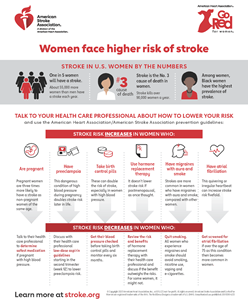
Know Your Risk
Many heart attacks and strokes can be prevented through lifestyle changes and education. Know your risk today for a healthier tomorrow.
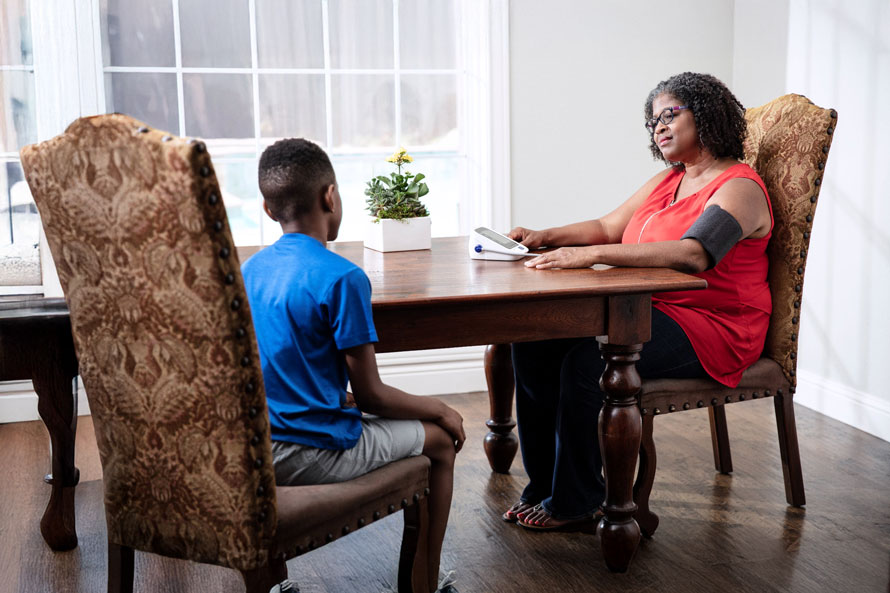
We’ve never met a woman who didn’t wake up with her mind set on crossing something off her to-do list. Women often spend the day juggling so many tasks and roles that taking care of themselves can often fall to the bottom of their list. Women, it’s time to put your health first and understand your risk for heart disease – it could just save your life.
Understanding Your Risk for Heart Disease and Stroke

Knowing your personal risk factors is a critical first step in protecting your heart health.
Know Your Numbers

Knowing your risk starts with knowing four important health numbers — total cholesterol, blood pressure, blood sugar and body mass index.
Reduce Risk At Any Age

As we move through life, our risk for heart disease and stroke can change. We have tips on how to reduce your risk throughout the life course.
Risk Factors for Heart Disease and Stroke Can Change Throughout Life
As you age and change, your personal risk factors can change or look different. Unique life stages like pregnancy and menopause can also affect your risk. The good news? There are opportunities at every age to protect and strengthen your heart.
Stages of Life

We’re advancing research, improving care across the life course, expanding access and delivering trusted guidance where women already are. Together, these efforts are redefining what women can expect from healthcare.
Pregnancy

Heart disease is the No. 1 killer of new moms. It can pose a threat to women’s heart health during pregnancy and later in life.
Menopause

Prioritizing your health is important before and after menopause. Learn about menopause, its symptoms and its impact on your health.
Life's Essential 8 for Women
Different life stages like pregnancy, motherhood and menopause can increase the risk of heart disease and stroke in women. The American Heart Association’s Life’s Essential 8 are the key measures for improving and maintaining cardiovascular health – and ultimately reducing risk. We have a version with women’s unique health needs in mind.

Tools and Resources